
Home Buyers Guide: what to expect when you buy a home in Texas.
Why use a REALTOR®, who is involved, who pays for what and a checklist to take you from the first search to the final walkthrough.

What a REALTOR® does for a buyer.
Know your buying power
Your REALTOR® helps you determine your buying power: your financial reserves plus your borrowing capacity. With some basic information about your savings, income and current debt, they can refer you to the lenders best qualified to help you.
Objective information on every property
Agents have access to local community information on utilities, zoning, schools and more. Two questions matter: will the property provide the environment you want for a home or investment, and will it have resale value when you are ready to sell?
Negotiation and paperwork
Buying a home requires disclosure forms, inspection reports, mortgage documents, insurance policies, deeds and multi-page settlement statements. Your REALTOR® helps you negotiate and guides you through each one.
A concerned but objective third party
A home often symbolizes family, rest and security, and for most people it is the biggest purchase they will ever make. An objective third party helps you stay focused on the business and emotional issues most important to you.
Who is involved in a real estate transaction.
REALTOR®
Licensed real estate agent and member of the National Association of REALTORS®.
Loan officer
Representative of a bank or other financial institution. They help customers identify their borrowing options and understand the terms of their loan.
Home inspector
Objectively and independently provides a comprehensive analysis of a home’s major systems and components.
Appraiser
Works on behalf of a lender and provides a market analysis of the subject property.
Under the TREC 1–4 Family Residential (Resale) Contract.
Every transaction is different: your contract and your agent’s guidance control. Ask us about your specific case.
Buyer
Seller
From the first document to the final walkthrough.
Before you buy
Beginning to end

Location and condition come first.
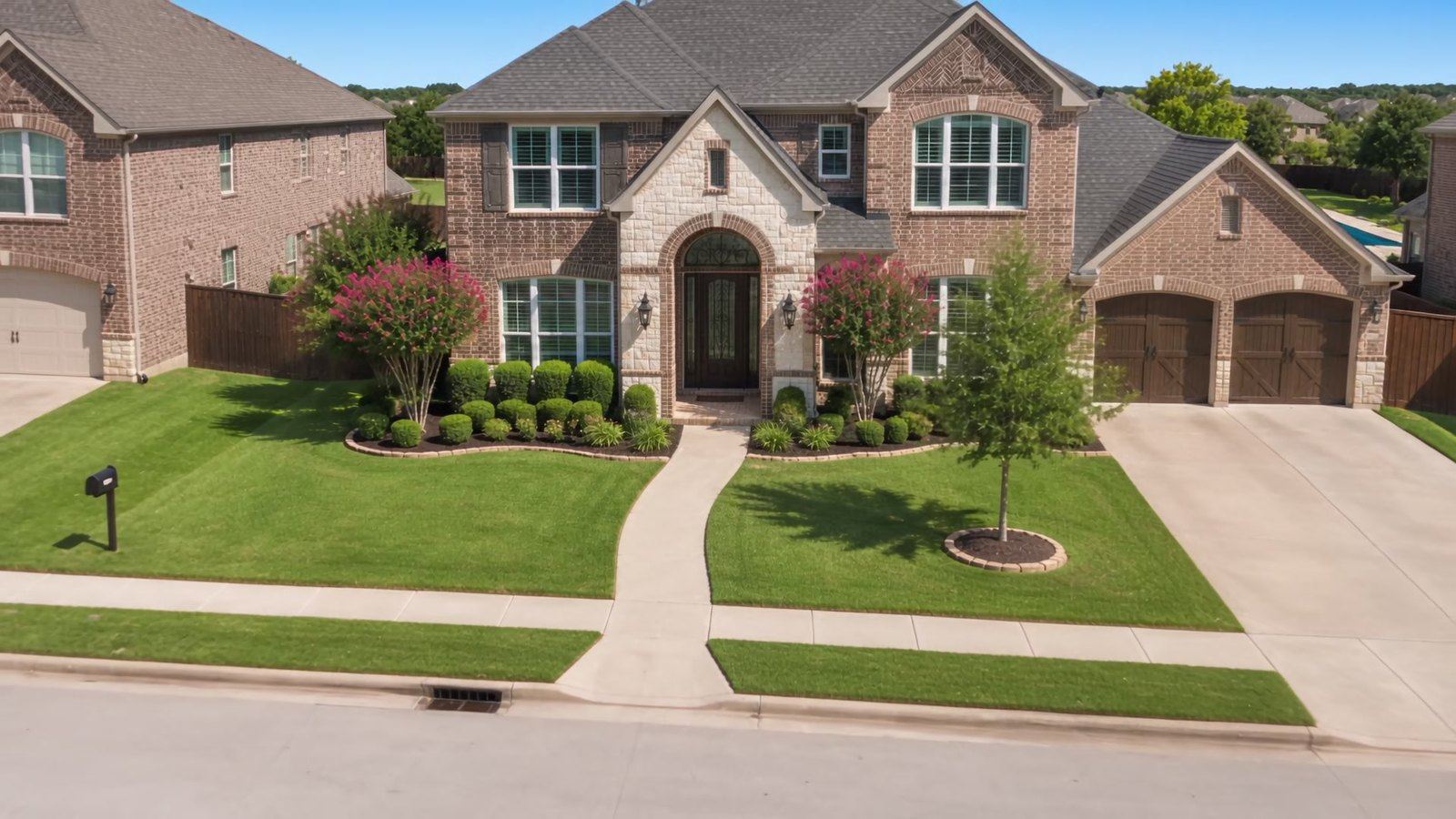
Convenient for your daily life
The location should be convenient for your daily needs, with good access to transportation, schools and amenities.
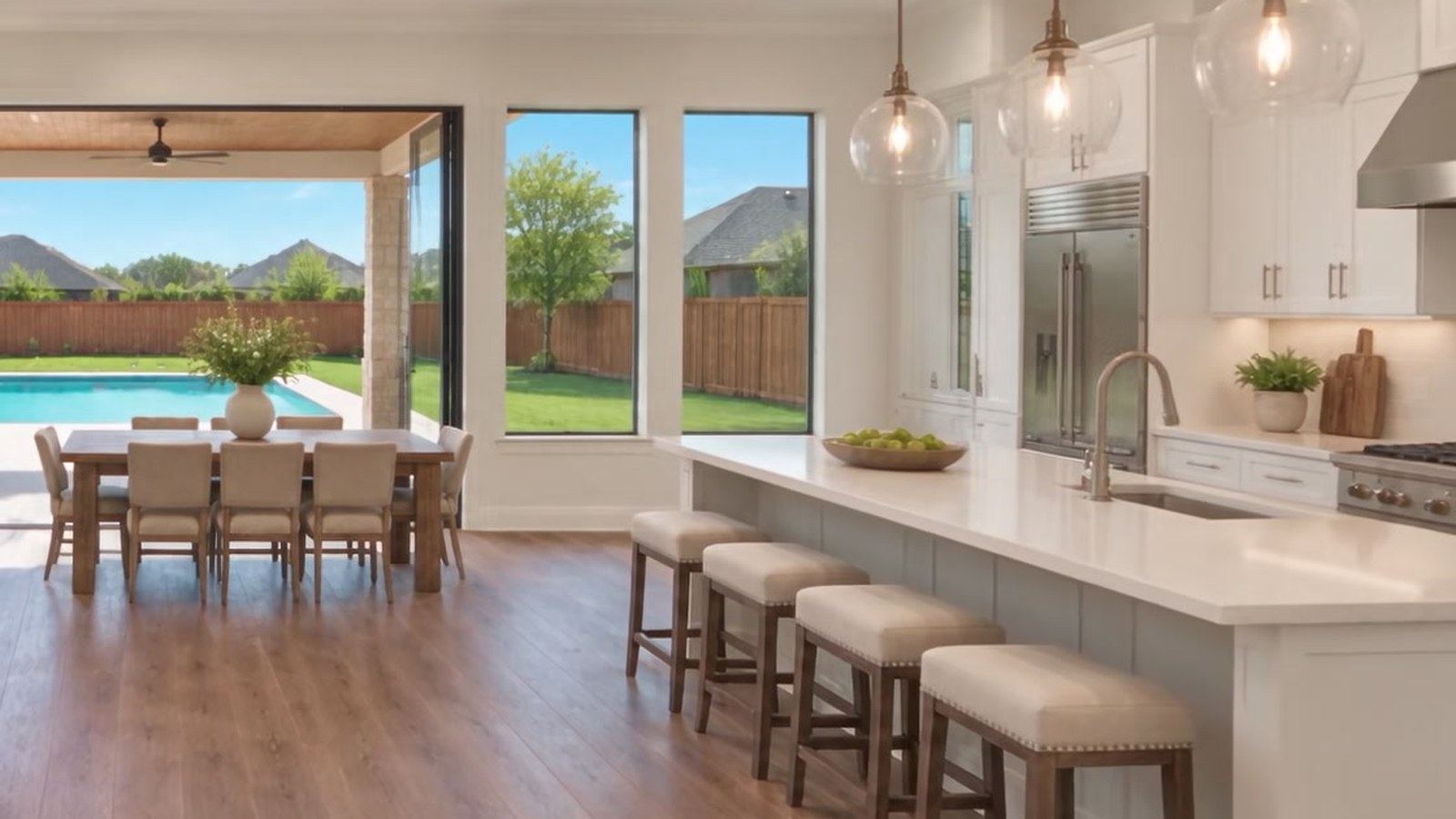
Structurally sound
The property should be thoroughly inspected to make sure it is structurally sound and has no major issues that could be costly to repair.
Before you start looking.
Check your credit and savings
Make sure you have a good credit score and enough savings for a down payment.
Get pre-approved
A mortgage pre-approval tells you how much you can afford before you fall in love with a home.
Research neighborhoods
Consider commute times and nearby amenities, not only the house.
Never skip the inspection
Do not rush into a purchase without a home inspection and an understanding of potential maintenance or repair costs.
Work with a trusted agent
A trusted real estate agent guides you through the process and helps you find the right home for you.
Start your home search with a REALTOR® by your side.
Tell us what you are looking for and an agent will reach out shortly, in English or Spanish. No obligation.